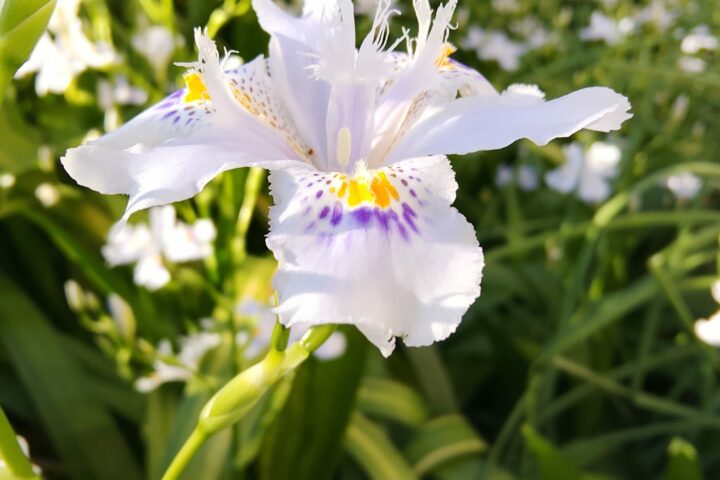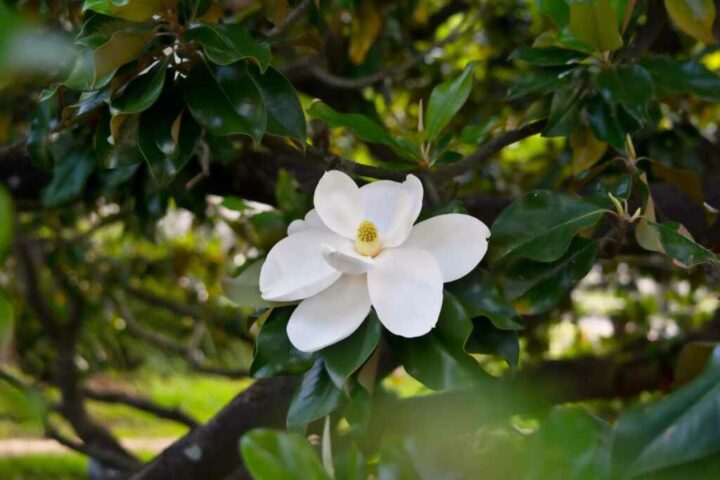



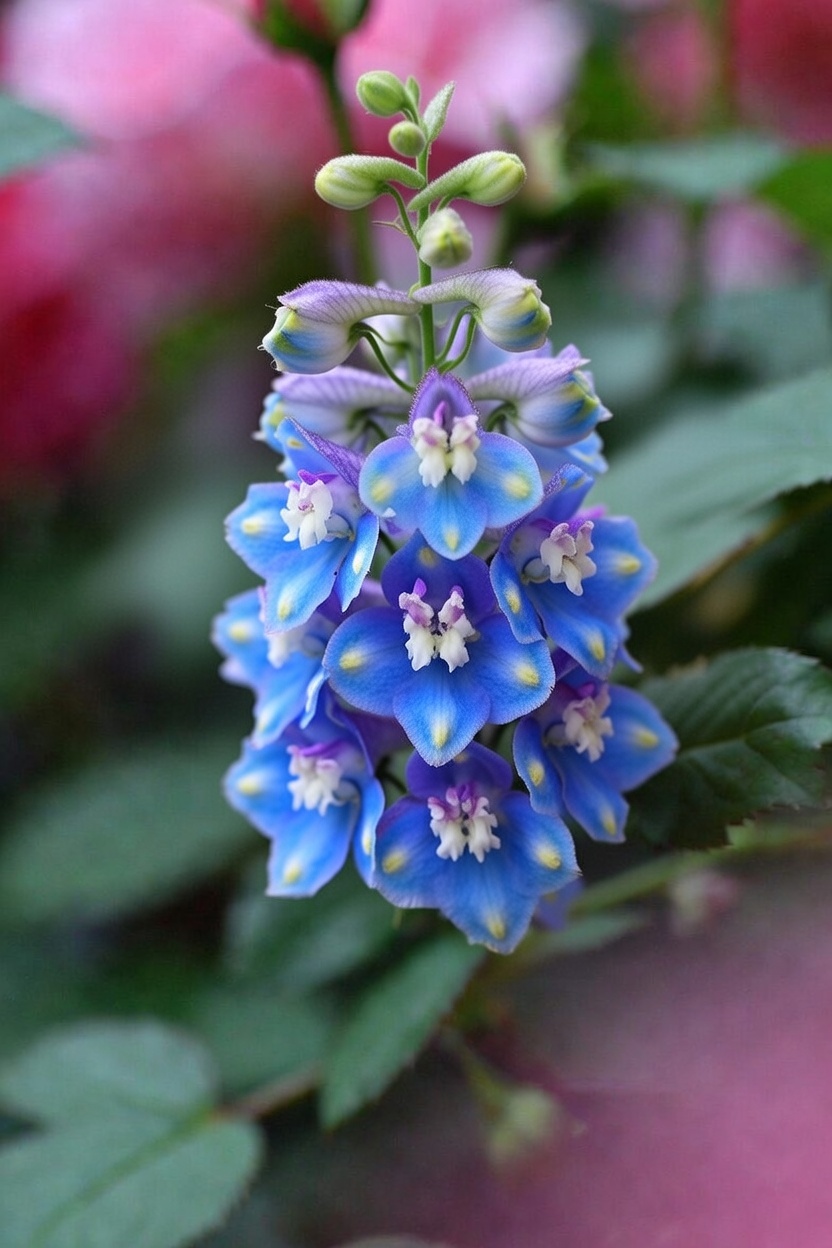
Flower of the Year 2026 — Delphinium, chosen by 1-800-Flowers as a symbol of optimism and uplift Color of the Year 2026 — White Cloud Dancer, chosen by Pantone as a symbol of calm and purity
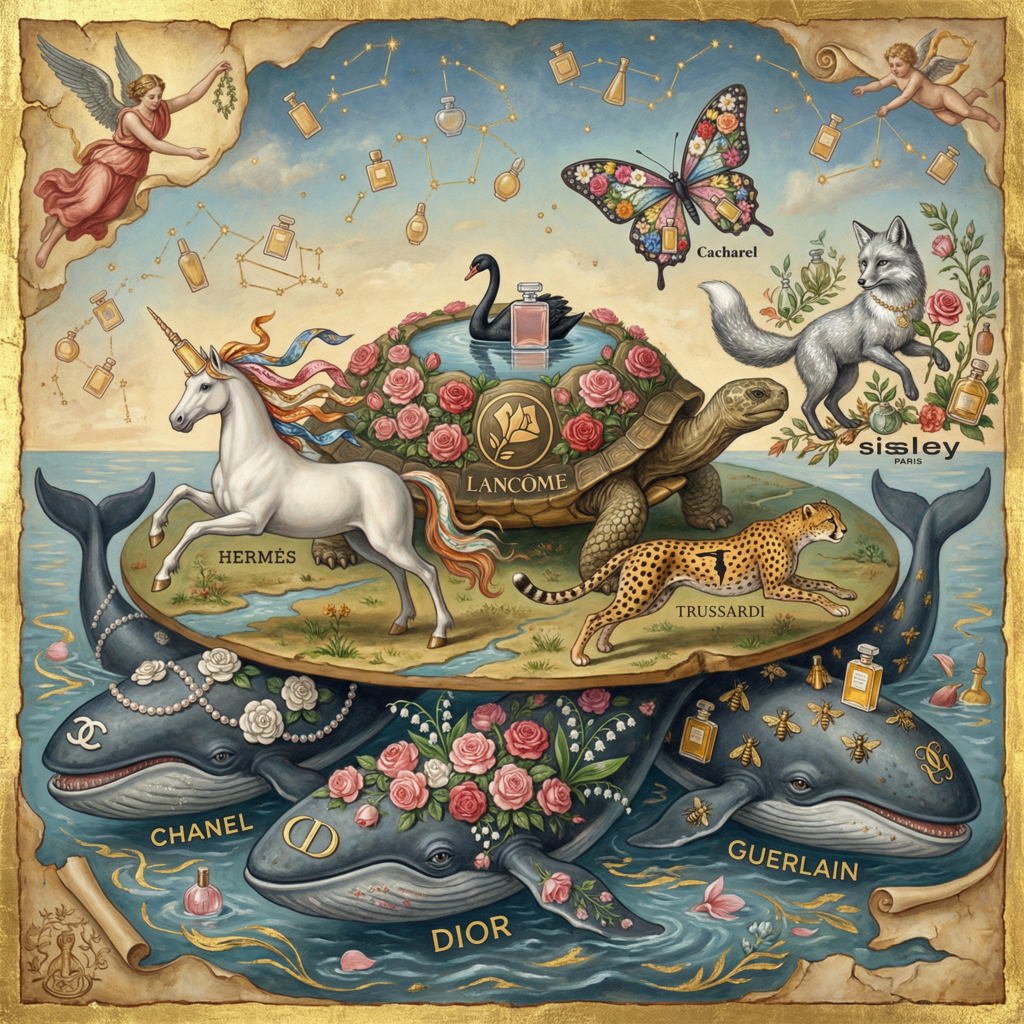
On February 14, to win “hand and heart,” or perhaps even forgiveness… give delphinium. And we can help you match a perfume to the bouquet — check out my perfume review here
Delphinium — The Flower of 2026 for Valentine’s Day
In 2026, when the sky begins to feel closer and warmer, and the heart beats in tune with the wind, here it comes — delphinium. The Flower of 2026. Not just a plant, but “a whisper of the heavens and wind, glued together by the summer sun into the thinnest petals” (by Anastasia Gracheva)
Delphinium doesn’t shout about love; it speaks of it eloquently in silence. It whispers it — quietly, but persistently. The Flower of the Year 2026 is delphinium in general (Delphinium spp.), without specifying a single variety or color. With its quiet strength and elegance, delphinium perfectly suited 2026 — a year when we all reach a little more toward the light, just as its stems reach toward the sun.
Special emphasis today is placed on blue and lavender shades — they are the most iconic and perfectly embody “calm luxury”. Popular hybrids like ‘Dasante Blue’ or ‘Aurora Blue’ are often recommended for bouquets to loved ones on February 14, to beg for forgiveness, or even to propose “hand and heart.”
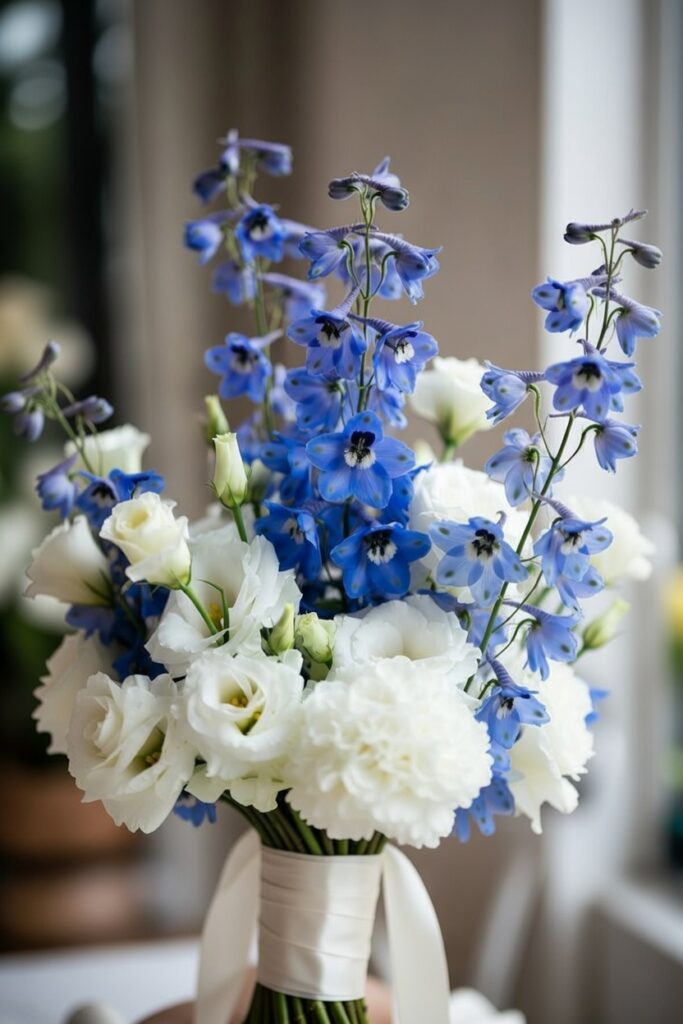
In floristry and design, it’s common to combine white accents with delphinium for minimalist, “airy” bouquets or gardens in an elegant style.
And here is the white delphinium of 2026 — Pantone 11-4201 Cloud Dancer (the first pure white in many years!) — a soft, airy, “cloud-like” flower in a bouquet on February 14 will speak of a sincere decision, and for those in conflict, of the possibility to start a relationship from a clean slate…
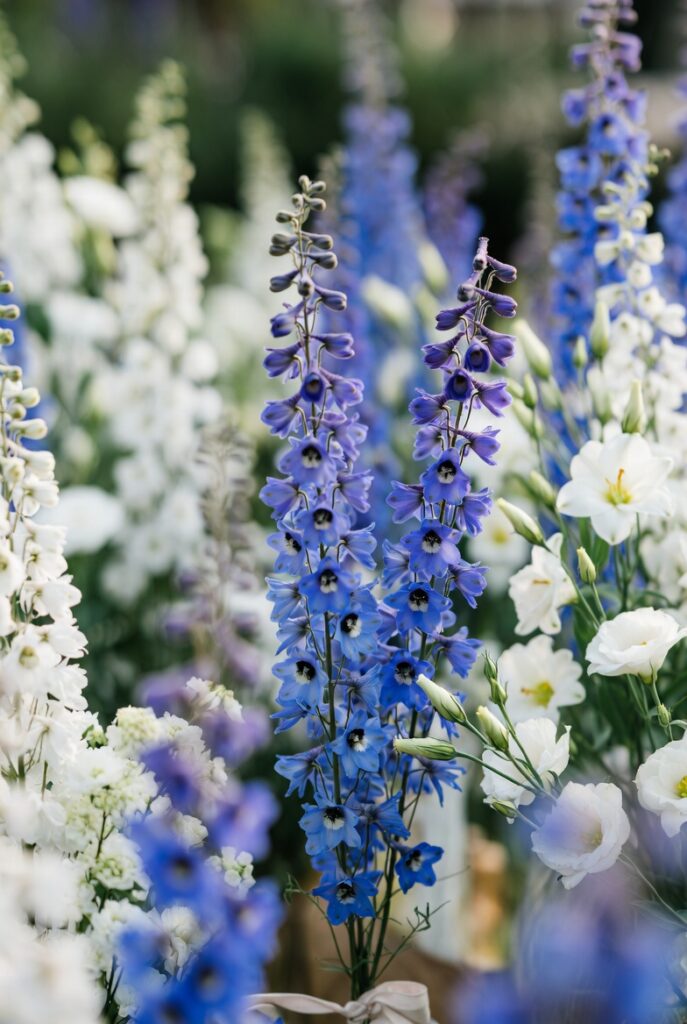
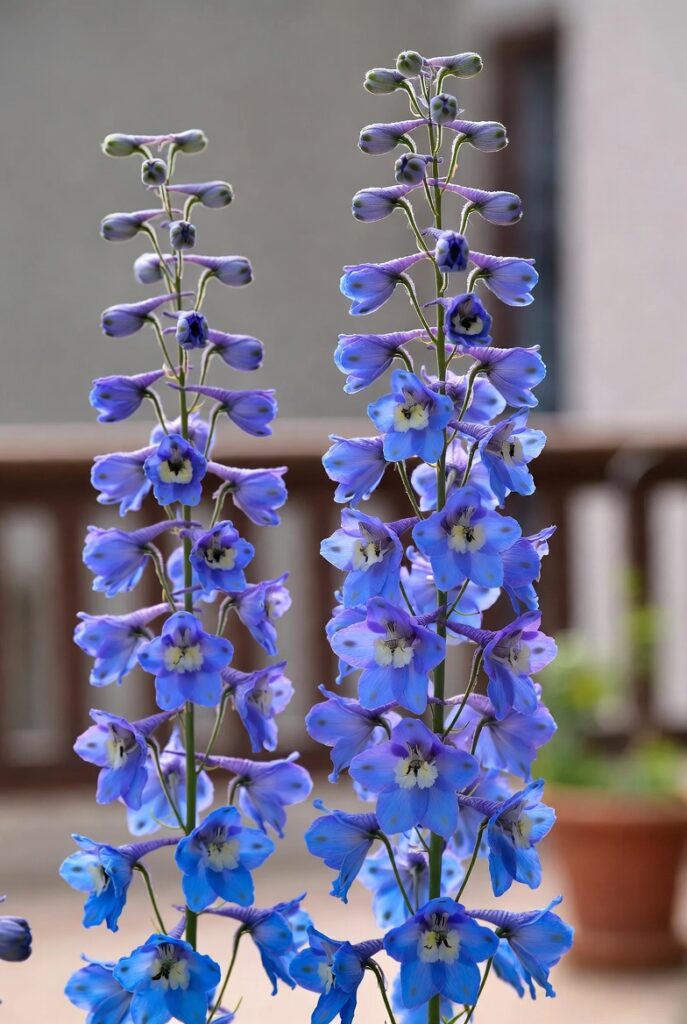
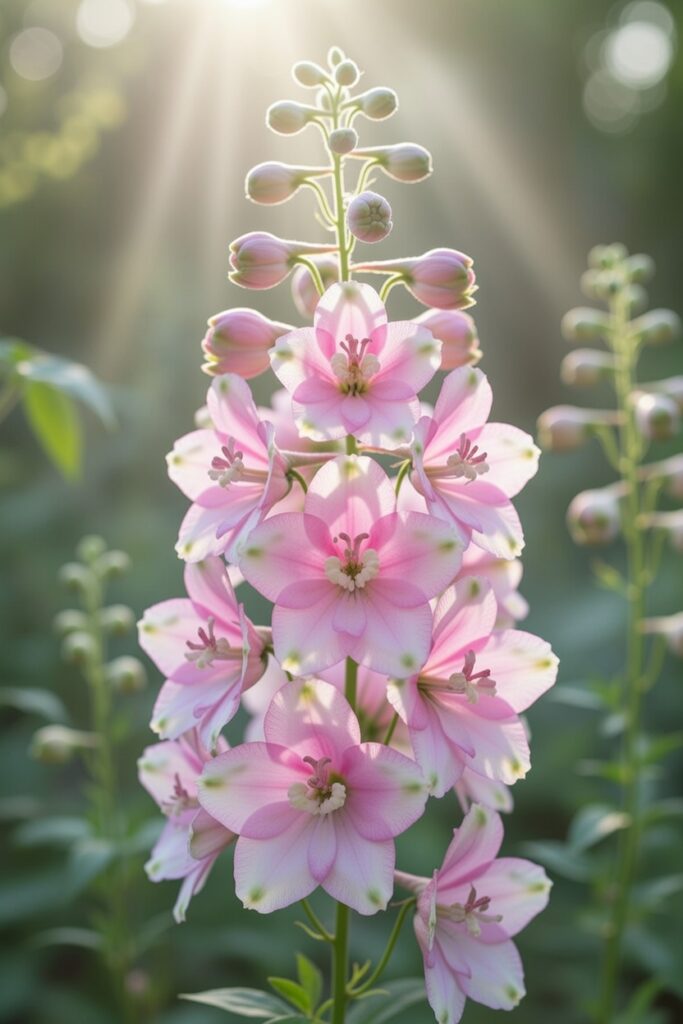
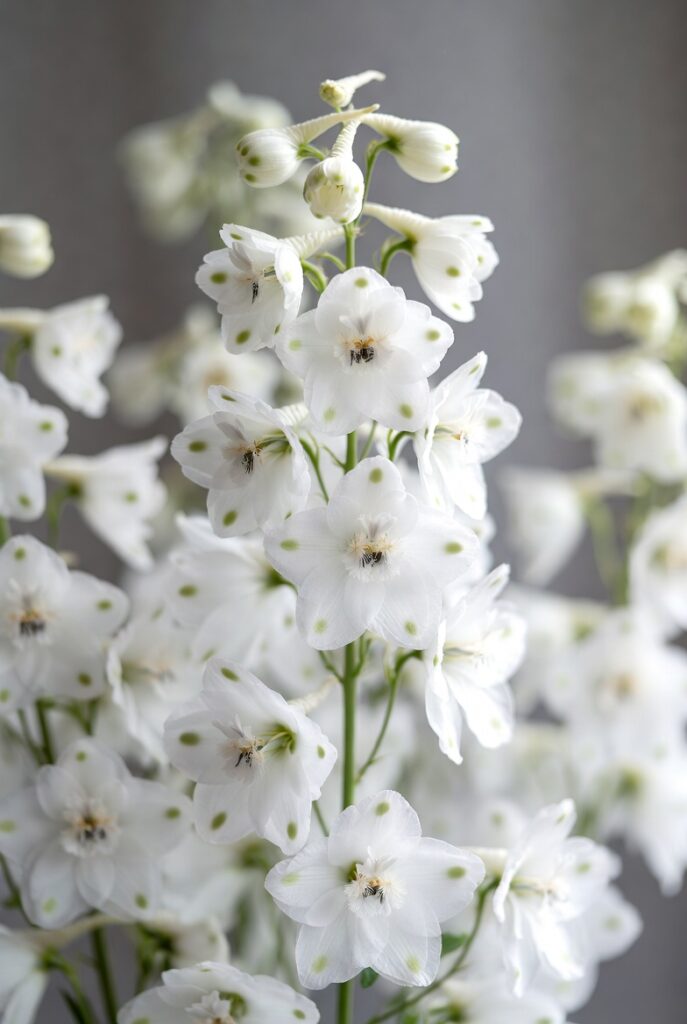
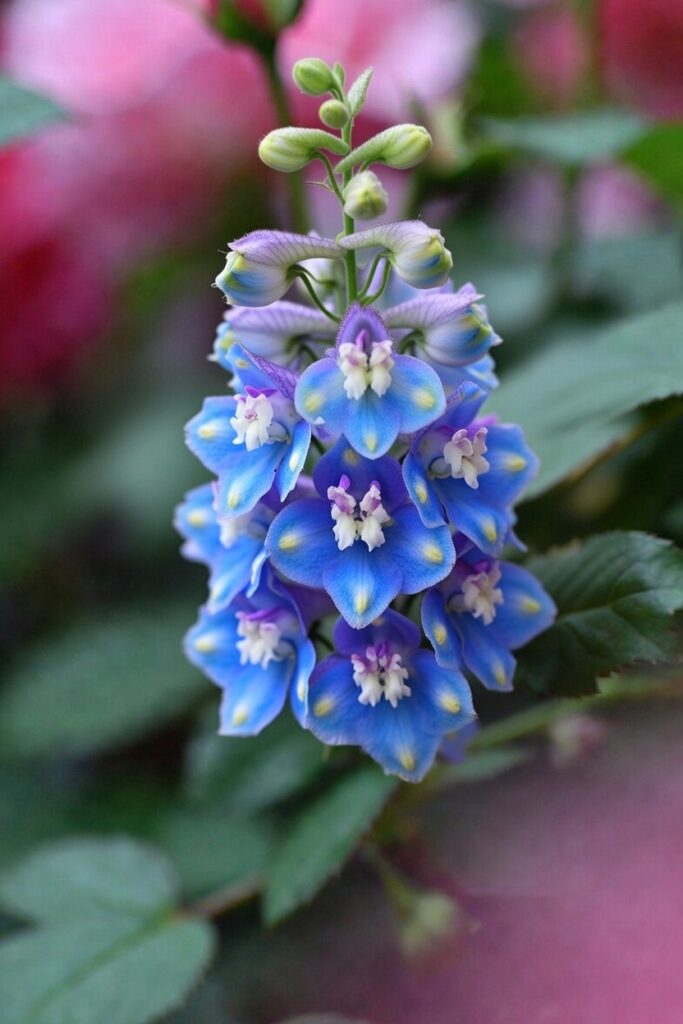
This flower strives upward as if drawing light from the heavens and directing it straight into our hearts. Its stems reach for the sun, as though longing to touch what lies beyond the horizon.
After all the storms and silence, we’re all a little tired of looking down. Delphinium reminds us: you can lift your gaze. You can believe again that ahead lies light.
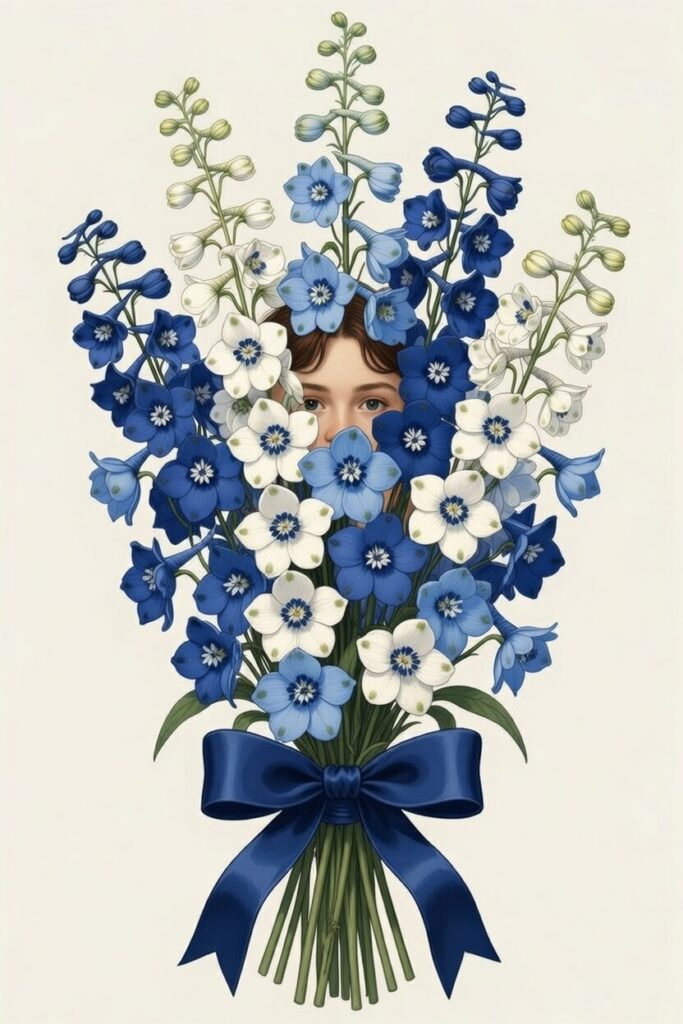
In a bouquet for Valentine’s Day, it looks like an open and direct declaration of love and admiration. Delphinium speaks of the loftiness of love as a height someone is ready to climb for the beloved.
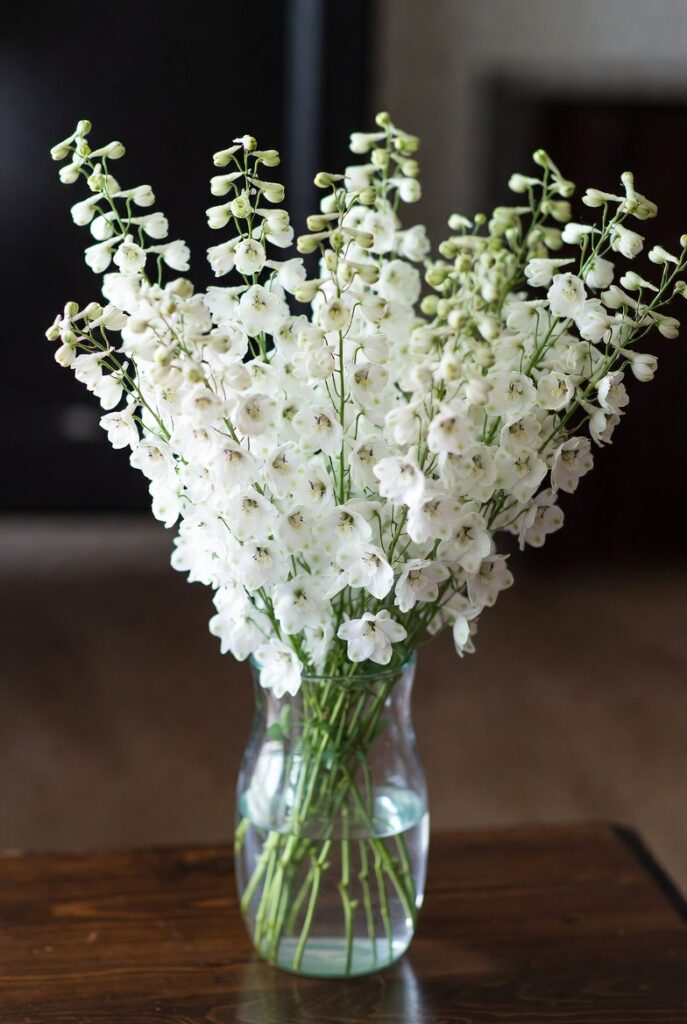
It’s not necessary to create a huge bouquet with lots of layers and decorations. Delphinium is stunning on its own and needs no additional adornments.
Delphinium of 2026 is a promise of light when the world feels a little more open to dreams, and the air is filled with promises of new beginnings. In 2026, this choice came from experts in the world of flowers — the company 1-800-Flowers.com, which annually announces symbols reflecting the spirit of the time. They chose delphinium for its majestic form and cool tones.
The selection process is simple yet poetic: florists and designers analyze trends, symbolism, and cultural moods to find a flower that could become a quiet messenger of hope.
And even though it’s a summer flower, let’s start this year and this February with it. Look for it in February in greenhouses in Italian Tuscany and Liguria, or order online from importers. It is abundant in the surroundings of the Greek city of Delphi.
It’s best to sow them from January–February so they delight with blooming in mid-summer. Especially interesting are the New Zealand delphinium varieties — they have very healthy, strong flower stalks.
Now back to February 14 — the day that whispers of love across worlds and spaces. All roads lead to Rome… And even the historical path of this wonderful holiday.
The history of Valentine’s Day dates back to ancient Rome, where in mid-February they celebrated Lupercalia, a pagan festival of fertility dedicated to the god Faunus and the founders of Rome, Romulus and Remus. It was a ritual of purification and fertility. By the 3rd century AD, the church decided to Christianize this holiday, linking it to the martyr Saint Valentine — a priest executed on February 14 around 270 AD for secretly marrying lovers or helping Christians. In the Middle Ages, thanks to the poet Geoffrey Chaucer, the day became associated with romance: it was believed that February 14 marked the start of the birds’ mating season, symbolizing the awakening of love in nature. By the 18th century in England, it turned into an exchange of valentines, flowers, and sweets — a quiet whisper of the heart that became a global holiday.
Shades of February 14 in the Orthodox tradition February 14 in the Orthodox calendar is the feast day of the holy martyr Tryphon. In Rus’, on this day girls divined for a suitor (sparrow — poor but kind groom; bullfinch — rich), calling it “Bird Wedding” (birds supposedly choose a mate). People prayed to Saint Tryphon for peace in the family, relief from troubles, and even from snoring or quarrels. So even February 14 in Rus’ was connected with love — but quiet, folk, without commercial shine.
Day of Family, Love, and Fidelity — July 8 This is the most famous and official Russian (Slavic-Orthodox) equivalent of Valentine’s Day. On this day, the holy noble Prince Peter and Princess Fevronia of Murom (12th–13th centuries) are remembered.
Ivana Kupala (night of July 6–7) Some call this the ancient Slavic equivalent of the holiday of love.
Pagan festival of fertility, water, fire, and first love. Girls wove wreaths, floated them on water (divining for a groom), jumped over bonfires (purification and test of fidelity), gathered herbs under the fern (legend of the flower that opens happiness). This is the time when nature and hearts bloom together.
After Christianization, the holiday merged with the day of the Nativity of John the Baptist (July 7), but the romantic essence remained. Many see in Kupala a more “Slavic” and natural counterpart to February — summer, bright, full of passion love.
And yet, in my opinion, Valentine’s Day is not about “lovers for a moment,” but about love that grows over the years and, like delphinium, reaches toward the light.
Happy Valentine’s Day to all,
With love and summer warmth in the heart in February,
Your Whisper of Flower