

Contents
- History of the Festival
- Magical and Scientific Fern
- Treasures, Legends and Facts
Ivan Kupala (Kupala Night, St. John’s Day) is one of the most vibrant Slavic holidays, blending pagan summer solstice traditions with the Christian feast of the Nativity of St. John the Baptist. It is believed that on this night the boundaries between different worlds open and nature becomes extremely generous.
And above all — this is the golden night for all treasure hunters…
In 2026, the traditional date for Slavs is the night between July 6 and 7 (July 7 is the day itself).
In Search of Hidden Treasures
It was believed that on Ivan Kupala night, treasures “came to light” and glowed with a bluish light. There are concrete accounts from ethnographers describing entire villages of peasants setting out at night in search of treasures. Sometimes they really did find ancient coins or objects.
Main Traditions of Kupala Night
- Bonfires — jumping over the fire
- Flower wreaths — girls weave them and let them float on the water; the way the wreath drifts was used to predict how quickly they would find love
- Water and Fire — swimming in rivers/lakes, splashing water, circle dances
- Divinations and the search for the fern flower (a symbol of wish fulfillment)
- Herb Gathering — according to legend, it is precisely on this night that herbs and flowers possess special powers… It was believed that plants collected on this night offered better protection for the home and health. Especially the fern, which, according to legend, blooms only on this night and can fulfill any desire.


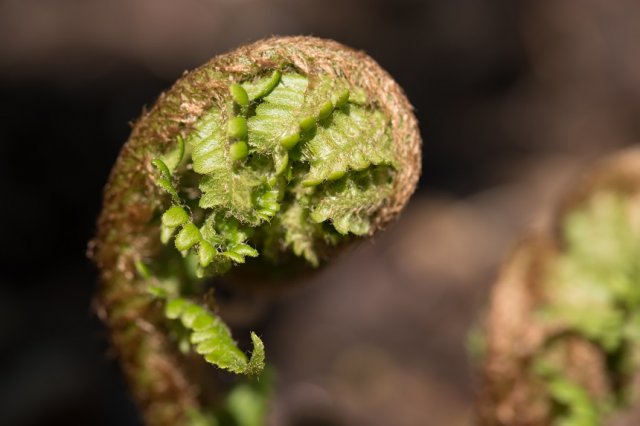
According to popular belief, the fern blooms for just a single instant on Kupala Night. Whoever manages to find this mythical flower will gain:
- Fulfillment of their dearest wish;
- The ability to find treasures;
- Understanding of the language of animals;
- Extraordinary wisdom and luck.
However, ferns have existed on Earth for over 300 million years — long before flowering plants appeared.

In this sense, they truly seem like “plants from another world.” From a scientific point of view, ferns do not bloom at all — they reproduce via spores. Therefore, the “fern flower” is a beautiful symbol of Slavic folklore, not a real natural phenomenon.
In the Russian language, the words цвет (color/flower) and свет (light) are very similar, and according to the legend, both the fern and the treasures shine. In many cultures, the word “color” did not refer only to petals, but also to radiance, beauty, and the fullness of vital force.
In the fern legend, it is rarely spoken of simply as a “flower.” It is usually described as:
- “Flower of fire”;
- “Color that shines like a star”;
- “The flower exploded”;
- “The flower glows with red fire.”
In other words, the flower itself is also a source of light.
That is why the “fern flower” can be understood not literally as a botanical flower, but as the moment of the plant’s maximum manifestation of power.
The same applies to treasures. According to beliefs:
- They glow with a blue or golden flame;
- They appear only for an instant;
- They disappear if the person gets scared or says one word too many.
This creates an interesting symbolic chain:
flower → light → treasure → knowledge → fulfillment of desire.
In traditional culture, all of this was perceived as the manifestation of a single force — the hidden richness of nature.
From a scientific point of view, the story of the flowering fern is a beautiful legend. Real ferns do not produce flowers, seeds, or fruits.

Here’s how it works in biology.

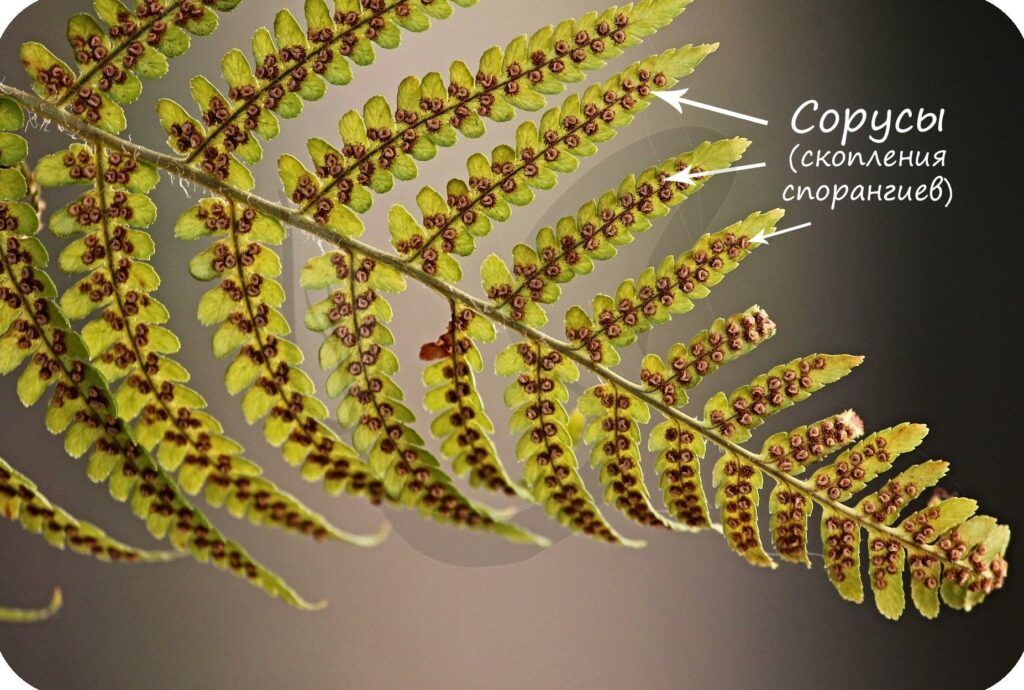
Their life cycle is different — spores disperse and give rise to a new generation of the plant. On the underside of the leaves, sporangia form — small brown dots or stripes; inside them, the spores mature.
However! Sometimes young fern leaves unfurl from their spiral — and this sight is very suggestive.
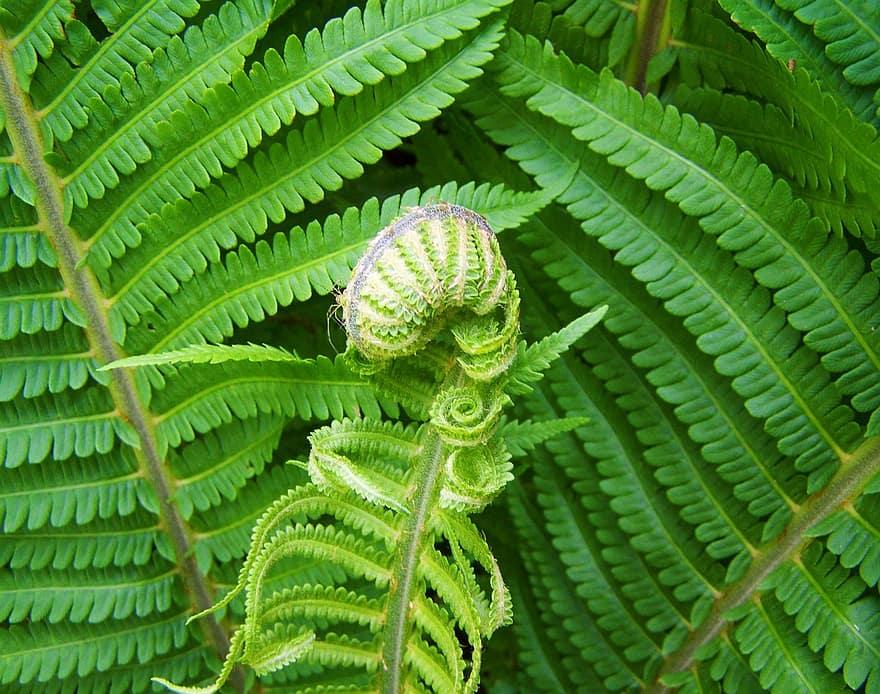
But according to modern botany, it is neither a bud nor a flower, but simply a leaf opening. Let us not despair though, because as Shakespeare said:
“There are more things in heaven and earth, Horatio, than are dreamt of in your philosophy.”
The legend of the fern remains to this day one of the most romantic symbols of the festival, reminding us of the search for happiness, love, and the fulfillment of our deepest desires.
May the fern give you the strength to understand and find what truly belongs to you…
Your Whisper of Flower, who so deeply wishes to find a treasure…